
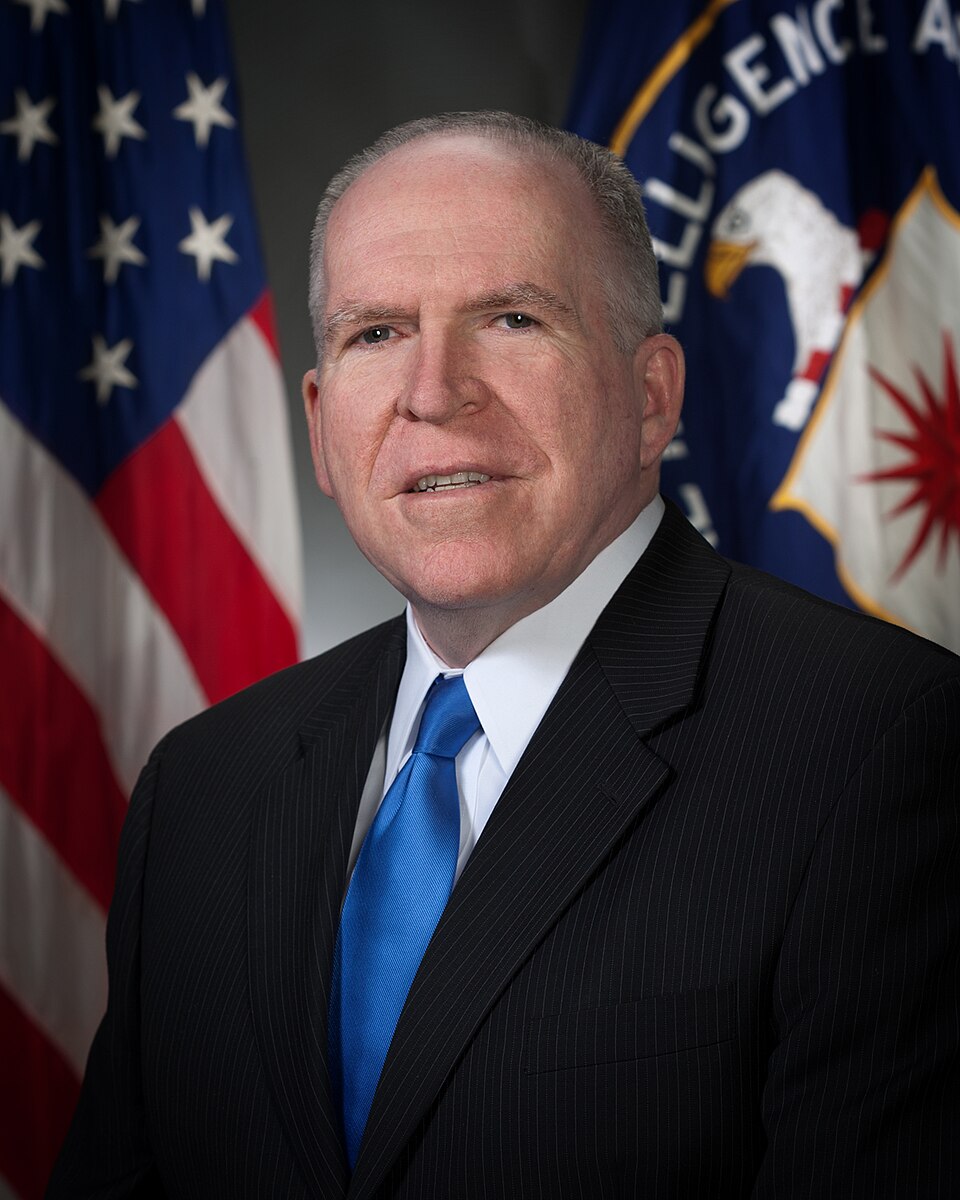
John Brennan is a former American intelligence official who led the Central Intelligence Agency during President Barack Obama’s administration. His career also included presidential intelligence briefings, counterterrorism coordination and White House national-security work. After leaving government, he wrote a memoir and continued participating in public discussions of intelligence and policy.
His biography requires precise titles and dates. Leading the CIA was different from serving as a White House adviser or directing a counterterrorism center. More recent court reporting also needs care: the October 2026 dismissal of his civil records-preservation lawsuit was a ruling about standing, not a criminal conviction or an acquittal.
John Brennan at a glance
| Detail | Information |
|---|---|
| Full name | John Owen Brennan |
| Born | September 22, 1955 |
| Age | 71 in November 2026 |
| Undergraduate education | Fordham University, 1977 |
| Graduate education | University of Texas at Austin, 1980 |
| Initial CIA career | 1980–2005 |
| White House role | Obama homeland-security and counterterrorism adviser |
| CIA directorship | March 8, 2013–January 20, 2017 |
| Memoir | Undaunted |
Education at Fordham and Texas
Brennan earned a bachelor’s degree in political science at Fordham University in 1977 and a master’s degree in government at the University of Texas at Austin in 1980. His publisher’s author biography records both qualifications.
His undergraduate years included study at the American University in Cairo. The International Institute for Strategic Studies biography dates that period to 1975–1976 and also records field research in Indonesia in 1974.
Those experiences provide context for a later career involving the Middle East and national-security analysis. They should not be expanded into qualifications the sources do not list. Studying abroad, earning a degree and receiving a later university affiliation are different kinds of institutional connection.
Joining the CIA in 1980
Brennan began his CIA career in 1980 and worked at the agency until 2005. His roles included serving as President Bill Clinton’s daily intelligence briefer, chief of staff to CIA Director George Tenet and deputy executive director.
These assignments involved different relationships with intelligence information and senior decision-makers. A briefer presents intelligence to the president; a chief of staff helps coordinate the director’s office. Neither title should be substituted for the later office of CIA director.
The range of assignments helps explain why his career is broader than the four years most often associated with his directorship. He had already spent decades in intelligence before returning to lead the agency under Obama.
Briefing President Clinton
The University of Virginia Miller Center’s oral-history interview includes Brennan’s recollections of briefing Clinton. It offers a first-person account of the work and the relationship between intelligence professionals and the presidency.
An oral history is valuable because it records how a participant remembers events and explains decisions. It is also a retrospective source, with the perspective and limitations of memory. The interview’s own framing distinguishes the speaker’s views from the institution publishing the transcript.
For a biography, this material complements official appointment records. Dates and titles establish the outline of service, while an interview can explain how a participant understood the job. Readers benefit from knowing which kind of evidence supports each part of the story.
The Terrorist Threat Integration Center
In March 2003, the George W. Bush White House announced Brennan as director of the newly created Terrorist Threat Integration Center, or TTIC. The appointment placed him in work intended to bring together terrorism-related information from different parts of government.
The official counterterrorism-center history records TTIC opening on May 1, 2003, with roughly three dozen staff detailed from across government. Brennan was its first director.
The distinction between the appointment announcement and the operational opening is useful. One date records the selection of leadership; the other records the center beginning work. Both belong in the institutional timeline without being treated as conflicting accounts of the same event.
From TTIC to the National Counterterrorism Center
TTIC became part of the National Counterterrorism Center in August 2004 under Executive Order 13354. The intelligence-reform legislation that followed supplied a statutory foundation for the center’s authorities.
The Office of the Director of National Intelligence’s account explains the institutional development and the center’s place under the director of national intelligence. Brennan’s leadership belongs within that transition, rather than a claim that he created the entire national intelligence system personally.
Coordination was the central issue: multiple agencies held information and responsibilities, while the center was intended to integrate terrorism-related analysis. That work differs from commanding every participating agency. Precise institutional descriptions prevent a biography from giving one official powers that belonged elsewhere.
Returning to government under Obama
After a period outside government, Brennan returned in 2009 as Obama’s homeland-security and counterterrorism adviser. The IISS account records that position as a stage before his CIA appointment.
His Miller Center interview discusses the organization of the White House national-security and homeland-security staffs. It supplies context for the advisory work without making every policy discussed in the interview a decision made by Brennan alone.
A White House adviser works close to presidential decision-making, while an agency director has a separate institutional responsibility. Brennan’s later move to the CIA therefore involved a change of office, not simply a new title for the same job.
Leading the CIA from 2013 to 2017
The CIA’s directors portrait gallery records Brennan’s tenure from March 8, 2013, to January 20, 2017. These are the dates used in this profile.
Fordham’s contemporaneous report covered the confirmation of its alumnus to lead the agency. That gives an institutional record from the period alongside the CIA’s historical roster.
His directorship ended with the change of presidential administration in January 2017. Later television appearances, speeches or criticism of government policy did not make him a serving CIA director again. Former director remains an accurate description of the historical role.
| Period | Milestone | Context |
|---|---|---|
| 1977 | Fordham graduation | Political science degree |
| 1980 | Graduate degree and CIA entry | Beginning of a long intelligence career |
| 2003 | First TTIC director | New terrorism-information coordination center |
| 2004 | Counterterrorism institutional transition | TTIC incorporated into NCTC |
| 2009 | White House adviser | Homeland security and counterterrorism |
| 2013–2017 | CIA director | Leadership under President Obama |
| 2020 | Undaunted published | Memoir of public service |
| October 2026 | Civil lawsuit dismissed | Standing ruling, separate from criminal guilt |
Undaunted and work after government
Brennan’s memoir is titled Undaunted: My Fight Against America’s Enemies at Home and Abroad. The publisher presents it as an account of more than three decades in government and the intelligence profession. It was published in 2020.
A memoir records the author’s perspective, not an independent judicial or historical verdict on every issue it discusses. It can be used to understand how Brennan describes his career while keeping other claims open to comparison with institutional records and other evidence.
IISS also identifies him as a trustee and records academic affiliations. Those roles form part of his later public work. They are separate from holding intelligence office and should not be treated as proof of an ongoing classified government appointment.
The October 2026 civil-court ruling
In an opinion filed October 15, 2026, the U.S. District Court for the District of Columbia dismissed Brennan’s records-preservation lawsuit for lack of standing. He sought to require officials to retain material he believed could help defend against possible future charges.
The opinion describes investigations and records his denial of wrongdoing. It states that the inquiries had not resulted in an indictment as of the opinion. That is a dated procedural fact, not a claim about every later investigative step.
The dismissal did not decide that Brennan was guilty of the allegations under investigation. It was also not an acquittal, because the ruling concerned his civil request rather than a criminal trial. Keeping the case type and ruling separate prevents a procedural decision from being misrepresented as a verdict on criminal responsibility.
How to understand the different sources
Brennan’s long career appears in several kinds of public records: agency histories, university accounts, interviews, a memoir and court documents. Each answers a different question. An agency roster establishes service dates, an oral history records recollections and a court opinion establishes the ruling in that case.
Reading those sources together produces a more useful biography than reducing a decades-long career to a single controversy or treating every personal recollection as an independently established fact. The titles and dates provide the framework; clearly attributed accounts add context.
Frequently asked questions
Who is John Brennan?
He is a former U.S. intelligence official and CIA director who also held counterterrorism and White House advisory roles.
When did he lead the CIA?
From March 8, 2013, until January 20, 2017.
How old is he?
He is 71 in November 2026, having been born on September 22, 1955.
Where did he study?
He graduated from Fordham in 1977 and earned a master’s degree at the University of Texas at Austin in 1980.
What was TTIC?
The Terrorist Threat Integration Center was created to integrate terrorism-related information. Brennan was its first director.
What is his memoir called?
Undaunted: My Fight Against America’s Enemies at Home and Abroad.
Was the October 2026 dismissal a criminal conviction?
No. It dismissed his civil records-preservation lawsuit for lack of standing.

Thomas Andrew is the founder of Odubio.com, a digital platform sharing inspiring biographies, news, and stories about global icons and achievers.