
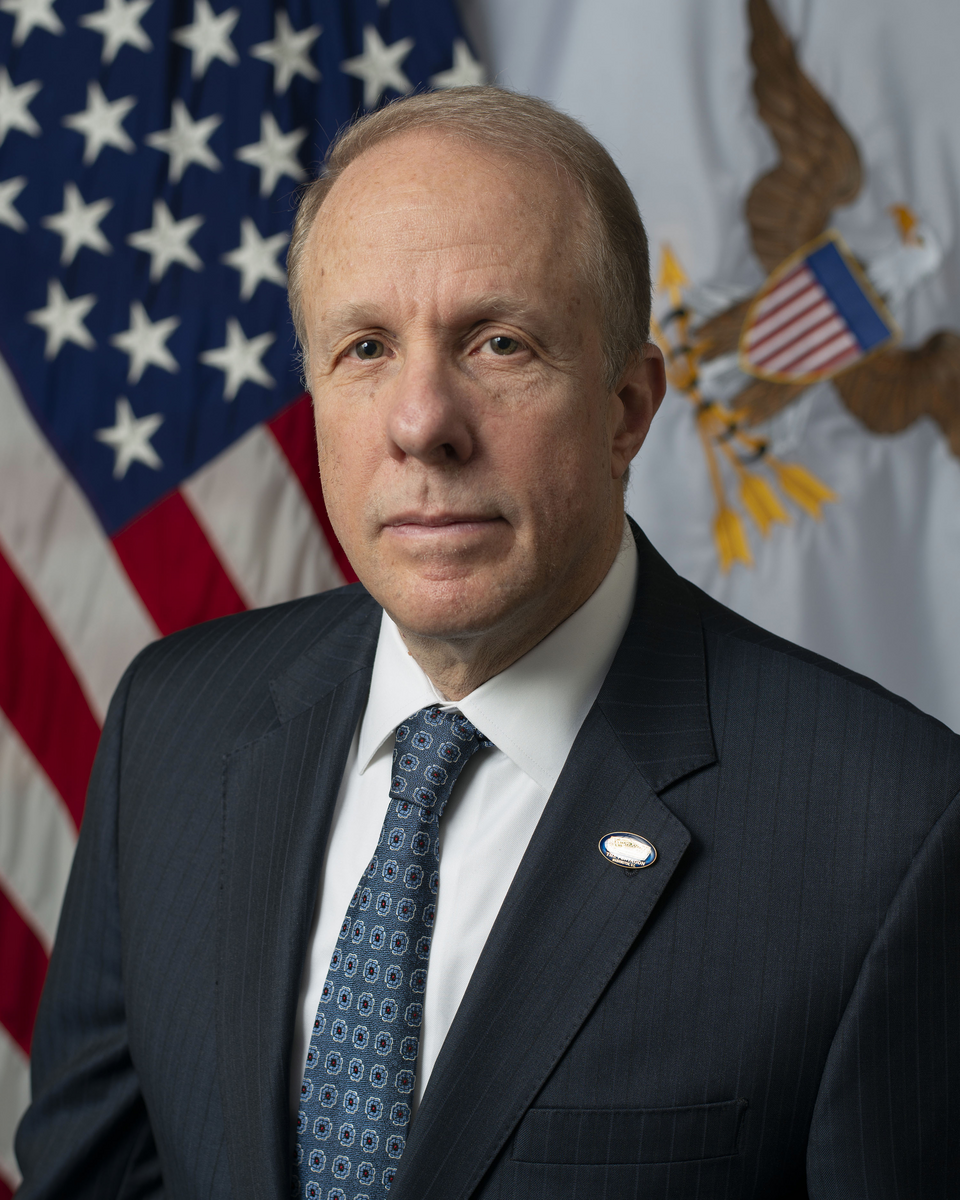
Steve Feinberg is an American investment executive and senior civilian defense official. He entered Pentagon leadership after more than three decades at Cerberus Capital Management. Official appointment, Senate and ethics records provide a clearer account of that transition than estimates based on the investment firm’s size.
Steve Feinberg at a glance
| Detail | Official record |
|---|---|
| Name used in Senate records | Stephen Feinberg |
| Born | March 29, 1960 |
| Age | 66 as of November 2026 |
| Education | Princeton University graduate |
| Business career | Cerberus co-founder and senior executive, 1992–2025 |
| Senate confirmation | March 14, 2025 |
| Sworn in | March 17, 2025, as 36th deputy secretary of defense |
Cerberus and his investment career
The Defense Department’s historical officials record identifies Feinberg as Cerberus’s co-founder, co-chief executive and chief investment officer from 1992 to 2025. It also supplies his birthdate.
His departmental biography describes a business career involving companies and assets across industries, with a later emphasis on defense-related investment and supply chains. This is the department’s account of his professional background, rather than an independent evaluation of every investment.
The biography describes Cerberus as having approximately $70 billion in assets. That figure concerns the investment firm’s scale. It is not an amount of money personally owned by Feinberg and should not be used as his net worth.
Intelligence advisory work
Before the Pentagon appointment, Feinberg chaired the President’s Intelligence Advisory Board from 2018 to January 2021, according to his departmental biography. The historical record also identifies service as chair of the Intelligence Oversight Board during that period.
These advisory appointments are distinct from military service. A biography should identify the actual office rather than implying that a civilian advisory role carries an unrecorded military rank.
Senate confirmation and Pentagon responsibilities
The Senate’s March 14, 2025, proceedings record confirmation by 59 votes to 40. His swearing-in followed on March 17. A confirmation vote and the date an official assumes office are separate events.
The departmental biography describes the deputy’s role as chief operating officer, responsible for daily management and carrying out the secretary’s priorities. The historical office record also explains the later authorization to use “Deputy Secretary of War” as a secondary title in executive-branch communications.
Ethics commitments and financial information
A published Office of Government Ethics compliance certification records his statements that he completed required resignations and divestitures. It also records continuing recusal commitments concerning financial interests and certain former employers or clients.
This is a specific certification of compliance with an ethics agreement. It should not be enlarged into a finding that every possible conflict question has been independently resolved. Likewise, a public disclosure is governed by its reporting rules and valuation periods; it is not automatically an audited personal balance sheet.
Education and the path into investment management
Feinberg’s Senate hearing record documents his Princeton education from 1978 to 1982. That formal record provides a useful source for the education that preceded his long private-sector career.
His transition into government leadership came after decades building an investment organization. A university qualification, company leadership and a federal appointment are different stages, with different forms of responsibility. The chronology is more informative than treating his professional identity as a single undated title.
He is 66 in November 2026, having been born on March 29, 1960. His date of birth is recorded in the department’s historical officials material. The age should remain attached to the review period instead of being copied forward indefinitely.
How Cerberus describes its business
Cerberus’s official website describes an alternative-investment business with credit, private-equity and real-estate platforms. It dates the firm’s founding to 1992. That description helps readers understand the kind of organization Feinberg co-founded.
Assets managed by an investment firm are not equivalent to its founder’s personal assets. A firm manages capital through funds and other arrangements with investors. The total can show the scale of the organization without establishing how much the founder owns after liabilities.
This is why a biography should distinguish the company’s reported size from a personal wealth estimate. It should also distinguish a historical executive title from an ongoing role after departure. The corporate story and the government-service timeline overlap, but their responsibilities need separate dates.
Supply chains and defense-related investing
The Cerberus Supply Chain platform’s account describes investments connected with national and economic security. Its approach includes established businesses, growth capital and venture investments, rather than only one kind of transaction.
This gives context to Feinberg’s later emphasis on industrial capacity. A defense supply chain includes the companies, materials, production facilities and relationships needed to deliver equipment. Investment experience can concern those operational problems without being the same as military command.
The company’s description is its own account of its strategy. It should not be converted into an independent conclusion that every investment achieved its intended result. A clear biography identifies the strategy and source while keeping the evaluation of individual transactions separate.
What he told senators about the job
In his February 2025 advance policy answers, Feinberg described buying underperforming companies and working on operational and financial improvements. He linked that experience to the department’s management problems, including production delays, cost overruns and financial systems.
Those were the nominee’s explanations of his qualifications and priorities. They are not proof that the problems had already been solved. A confirmation record preserves what an appointee proposed to do and the experience he believed relevant to doing it.
That distinction is useful when assessing later performance. The commitment and the outcome need their own evidence. An article can explain the management argument made during confirmation without turning an intention into a completed achievement.
A civilian management role
The deputy secretary’s chief-operating-officer function concerns the department’s daily management. That includes translating the secretary’s priorities into institutional action and coordinating a very large organization. It is separate from the operational command of a particular military unit.
Feinberg’s earlier intelligence-board service likewise involved advice to the president. The presence of national-security responsibilities does not automatically confer a military rank. The actual civilian title is the more accurate description.
The historical officials record notes the September 2025 executive authorization for “Deputy Secretary of War” as a secondary title. That explains different terminology in executive-branch communications while preserving the formal appointment recorded in March 2025.
2026 attention to weapons production
Associated Press reported in August 2026 that Feinberg had asked industry leaders for plans to accelerate delivery schedules and increase production of critical capabilities. The report described a twenty-one-day period for submitting plans.
This is an example of the industrial-management issues connected with his role. A request for plans is not itself evidence that the additional equipment was produced or delivered. Production targets, contracts, manufacturing and completed delivery are separate stages.
| Record | What it establishes | What to keep separate |
|---|---|---|
| Cerberus leadership | A long investment-management career | Company assets and personal wealth |
| Intelligence advisory board | Presidential advisory service | Civilian advice and military rank |
| Senate vote | Confirmation on March 14, 2025 | The later swearing-in date |
| Ethics certification | Reported compliance with specific commitments | A blanket ruling on every possible conflict |
| Production request | A management action reported in 2026 | Plans and completed delivery |
Understanding investment and ethics terminology
Credit, private equity and real estate describe different investment areas. Credit generally concerns lending and debt interests. Private equity concerns ownership interests in businesses outside ordinary public-share trading, while real estate concerns property-related investments. Cerberus’s description of these platforms explains the breadth of the company Feinberg helped build, without implying that he personally owned every asset in every fund.
Ethics terminology also needs precision. Divestiture means disposing of an interest covered by an agreement; recusal concerns not participating in specified matters. One addresses ownership, while the other addresses official decision-making. A certification can record both completed actions and obligations that continue during an appointment.
The published Feinberg certification contains continuing recusal statements concerning personal or imputed financial interests and certain former employers or clients, subject to the stated rules. The existence of those commitments is a documented fact. Whether a particular later decision satisfies them would require evidence about that matter, rather than an assumption based only on the person’s former job.
Frequently asked questions
Who is Steve Feinberg?
He is a senior civilian Pentagon official and former Cerberus investment executive, confirmed as deputy secretary of defense in 2025.
Is Steve the same person as Stephen Feinberg?
Yes. Official Senate and ethics records use Stephen, while departmental communications also use Steve.
When did he assume the deputy role?
He was sworn in on March 17, 2025, following Senate confirmation on March 14.
Where did he study?
He graduated from Princeton University. The Senate hearing record lists attendance from 1978 to 1982.
Does Cerberus’s asset total equal his net worth?
No. An investment firm’s assets under management are different from a founder’s private assets after liabilities.
Was his intelligence-board role military service?
It was a presidential advisory role. It should not be presented as evidence of an unrecorded military rank.
What does the ethics certification show?
It records his compliance statements and continuing commitments under a specific agreement. It is not a blanket determination about every possible conflict question.

Thomas Andrew is the founder of Odubio.com, a digital platform sharing inspiring biographies, news, and stories about global icons and achievers.