
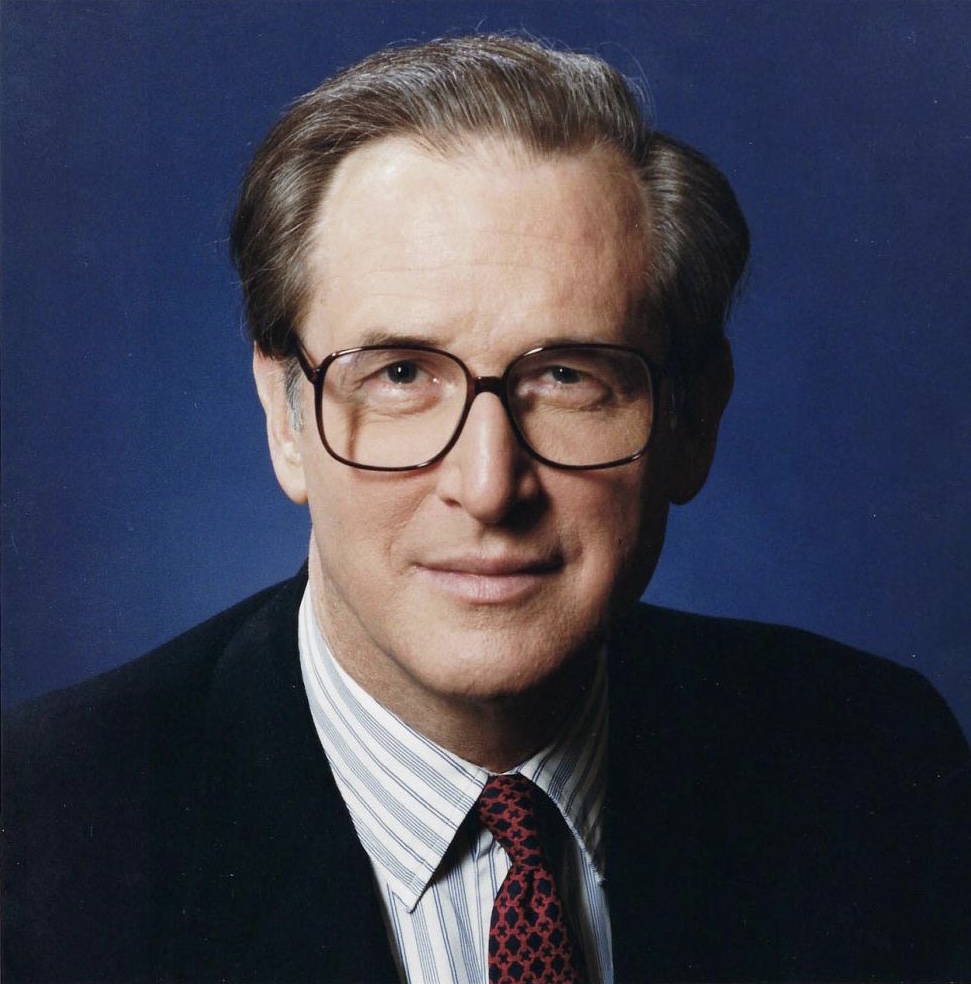
Jay Rockefeller’s public career began far from the New York business dynasty into which he was born. An anti-poverty assignment brought him to Emmons, West Virginia, in 1964. He stayed, entered politics and eventually served eight years as governor and thirty years in the United States Senate. His record connects the everyday concerns of a mining state with national debates about health coverage, veterans’ services and industrial investment.
This Jay Rockefeller biography follows that progression through his elected offices, college presidency and lasting institutional work. Rockefeller died in November 2026, aged 89. His career is best understood through the policies and organisations he helped shape, rather than the family name alone. The Senate memorial resolution records his principal offices and committee leadership.
Jay Rockefeller at a glance
| Detail | Biography |
|---|---|
| Full name | John Davison Rockefeller IV |
| Known as | Jay Rockefeller |
| Born | June 18, 1937, New York City |
| Died | November 2026, aged 89 |
| Education | Harvard University, class of 1961 |
| Political party | Democratic |
| Governor | West Virginia, 1977–1985 |
| U.S. senator | West Virginia, 1985–2015 |
Family background, education and West Virginia
Born John Davison Rockefeller IV, he was the great-grandson of Standard Oil founder John D. Rockefeller. He attended Phillips Exeter Academy before Harvard, where he graduated in 1961 with a degree in Far Eastern languages and history. His education included time in Japan studying Japanese. Those experiences later gave his work on international business relationships a personal foundation.
In Emmons, his work included practical community projects and helping residents reach services. The move became a permanent change of direction. The WVU archival biography describes activities including school transport and access to dental clinics. These were specific needs encountered in a community, years before he could influence federal health legislation.
His family background remained part of public discussion. The Associated Press described a politician whose inherited wealth attracted attention throughout his campaigns, while his Democratic affiliation separated him from prominent Republican relatives. That combination made his decision to remain in West Virginia politically significant: voters were judging both his resources and his commitment to an adopted home. AP account of his life and career
Early offices and a college presidency
Rockefeller was elected to the West Virginia House of Delegates in 1966. He won the secretary of state election in 1968 and served in that office from 1969 to 1973. Election years and service years are different here; the Senate resolution provides the latter dates. He lost his first race for governor in 1972, then returned to public life through a different institution.
West Virginia Wesleyan College appointed him president in 1973. The college’s own remembrance gives his presidency as 1973–1975 and credits him with increased enrollment, new academic programmes and changes to campus operations. It also remembers his involvement in the gymnasium and physical education centre known to students as “The Rock.” West Virginia Wesleyan’s remembrance
That brief presidency adds an important chapter between his early electoral defeat and later success. Running a college involves students, staff, facilities and finances, making it a different kind of responsibility from campaigning. Wesleyan’s tribute emphasises his contact with students and his continuing connection to the institution after leaving its presidency. His West Virginia career therefore included educational administration as well as elected government.
Two terms as governor
Rockefeller won the 1976 governor’s race and took office in 1977. His administration faced heavy snow, fuel shortages, flooding and a 111-day coal strike. Reelected in 1980, he served until 1985, with a deep recession affecting his second term. These difficult conditions belong in any assessment of his governorship alongside its development ambitions.
He chaired the President’s Commission on Coal in 1978 and sought a stronger place for coal in national energy policy. The West Virginia Encyclopedia also records government reorganisation and efforts to phase out the state sales tax on food. Economic security remained a central concern when he moved from Charleston to Washington.
Senate service and national responsibilities
First elected to the Senate in 1984, Rockefeller began serving in 1985. Four further election victories followed, giving him five terms before retirement in January 2015. Across that period, he chaired Veterans’ Affairs, Intelligence, and Commerce, Science and Transportation at different times. Those assignments placed him in debates extending well beyond one state’s boundaries.
Committee leadership matters because much congressional work happens before a proposal reaches the full chamber. Hearings, negotiations and oversight can influence both legislation and the way government agencies carry it out. Veterans’ services, intelligence oversight and communications policy involve different institutions and different kinds of evidence. Reading Rockefeller’s career through these responsibilities gives more substance to the familiar description “long-serving senator.”
Children’s health insurance: his role in CHIP
Rockefeller helped develop the Children’s Health Insurance Program, or CHIP, established in 1997. WVU Libraries examined that work in its twentieth-anniversary exhibition, drawing on congressional records to show the conflicts, compromises and bipartisan coalition behind the legislation. President Bill Clinton signed the measure on August 5, 1997. The achievement involved several lawmakers and institutions; it was a collective legislative process.
The exhibition is useful because it moves beyond a list of accomplishments. Its focus on negotiation shows how an aim such as increasing children’s coverage becomes a funded programme with administrative responsibilities. Rockefeller’s involvement included building support through Congress, where agreement over financing and implementation was necessary to turn a proposal into law. WVU Libraries’ CHIP exhibition account, pages 22–23
CHIP is a partnership between federal and state governments. Broadly, it covers eligible uninsured children in families earning too much for Medicaid but unable to afford private coverage. Eligibility rules vary by state. That distinction explains why a national law does not produce a single identical application process everywhere. For current eligibility information, readers should use the federal CHIP eligibility guide and their state agency.
Coal miners’ benefits and industrial investment
Health coverage also connected his national work directly to West Virginia’s coal economy. He worked on 1992 legislation supporting retired miners’ health insurance. The link between employment, retirement and medical benefits made this a different policy problem from children’s coverage, though both involved the security of families facing gaps in protection.
Economic development took another form through Toyota. The company’s own account credits Rockefeller’s longstanding relationship with the Toyoda family with helping build confidence in West Virginia. Its Buffalo investment followed in 1996. The example connects his early interest in Japan with a later effort to bring manufacturing activity to his state. Toyota’s account of its West Virginia relationship
Toyota’s thirtieth-anniversary statement in September 2026 again acknowledged Rockefeller’s role in bringing the facility to Putnam County. It reported more than 2,000 employees in West Virginia. That later company record shows why the investment remained part of his legacy decades after the original decision, while distinguishing an employment figure reported in 2026 from one at the plant’s opening. Toyota West Virginia’s 2026 anniversary statement
Career timeline
| Year | Milestone |
|---|---|
| 1961 | Graduated from Harvard |
| 1964 | Began anti-poverty work in Emmons |
| 1966 | Elected to the House of Delegates |
| 1969–1973 | Served as secretary of state |
| 1973–1975 | President of West Virginia Wesleyan College |
| 1977–1985 | Governor of West Virginia |
| 1985–2015 | Served five terms in the U.S. Senate |
| 1997 | CHIP became law |
| 2026 | Died aged 89 |
Retirement and a continuing institutional legacy
“West Virginia has become my life and my cause.”
Jay Rockefeller, announcing his retirement plans in 2013, as recorded by the West Virginia Encyclopedia.
His connection to WVU included the Rockefeller Neuroscience Institute, founded by the family in 1999. His mother’s experience of Alzheimer’s disease gave that work a personal origin. The university’s November 2026 tribute also discussed his support for diabetes research, science education and student opportunities. These institutions extended his public role beyond the dates of his Senate service. WVU’s tribute to Rockefeller
WVU also named its School of Policy and Politics in his honour after he announced his Senate retirement. In 2016 he established a leadership award for students in that school. His support for the Robert Noyce Scholarship Program linked science and technology education with preparation for classroom teaching. These examples give a more concrete picture of his educational interests than a list of honorary titles: they connect his name to study, professional preparation and opportunities for later generations.
Frequently asked questions
Who was Jay Rockefeller?
He was a Democratic politician who served as West Virginia governor from 1977 to 1985 and U.S. senator from 1985 to 2015.
How old was Jay Rockefeller when he died?
He was 89. He was born on June 18, 1937, and died in November 2026.
Was Jay Rockefeller related to the Standard Oil founder?
Yes. John D. Rockefeller, the founder of Standard Oil, was his great-grandfather.
Was he president of West Virginia Wesleyan College?
Yes. The college records his presidency as 1973–1975, between his early state offices and his successful campaign for governor.
What was his connection to CHIP?
He helped develop and build support for the children’s insurance legislation enacted in 1997. The programme operates through federal and state cooperation.
How did he help bring Toyota to West Virginia?
Toyota credits his relationships with its founding family with helping build confidence in the state before its 1996 investment decision.
Can researchers read all of his papers at WVU?
No. Most remain closed until 2035, though earlier access may be permitted at the donor’s discretion. Previously public materials are open for research. The collection is stored off-site, so researchers should contact the West Virginia and Regional History Center before visiting.

Thomas Andrew is the founder of Odubio.com, a digital platform sharing inspiring biographies, news, and stories about global icons and achievers.