
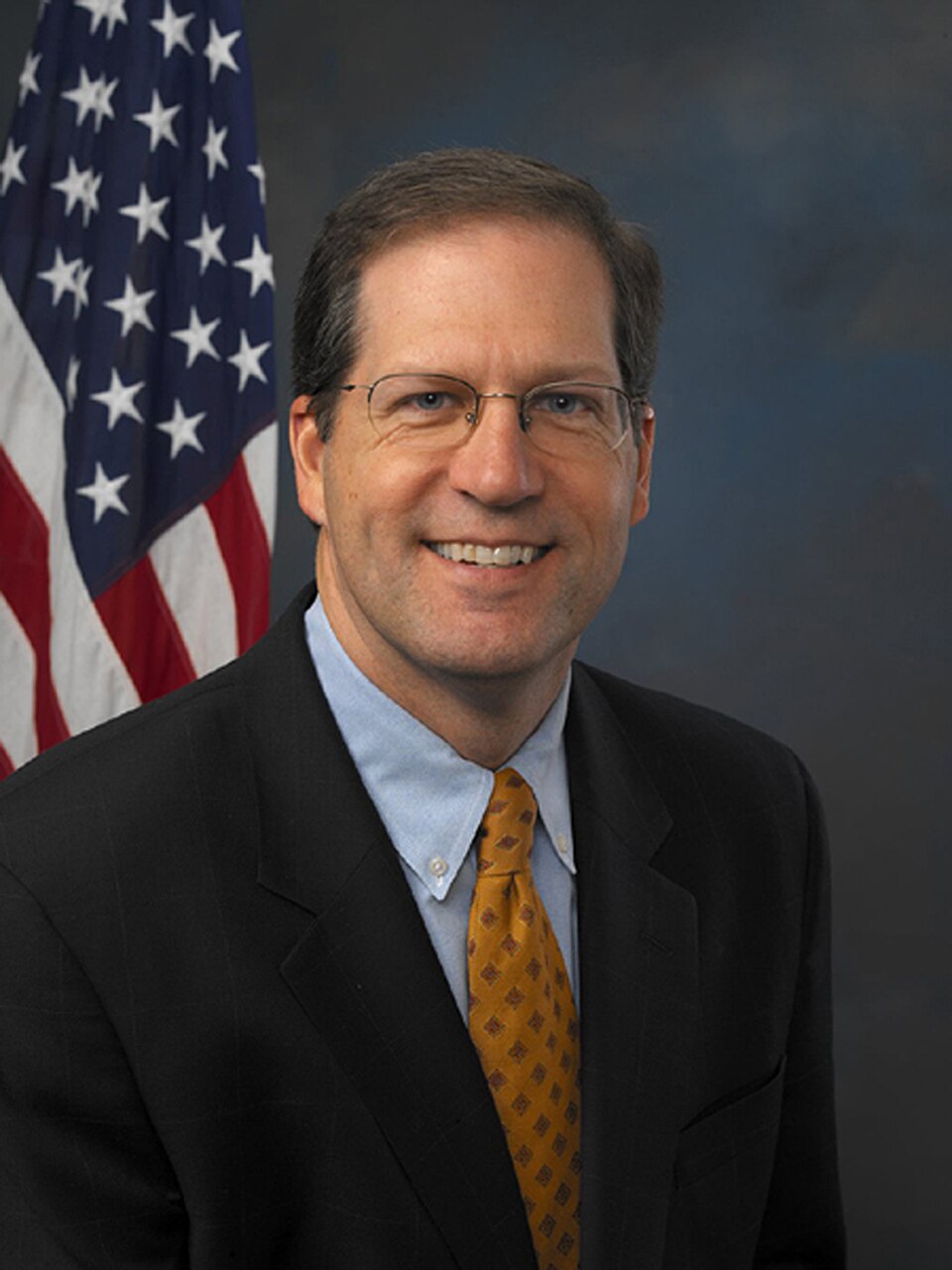
John E. Sununu is a Republican former U.S. senator and congressman from New Hampshire, with a professional background in engineering and business. He served three House terms and one Senate term before returning to corporate work. His 2026 attempt to regain his former Senate seat ended in defeat to Democrat Chris Pappas.
Searches for his net worth need two distinctions: John E. is not his father, John H. Sununu, and financial-disclosure ranges are not exact wealth totals. Public reporting identifies substantial assets, including corporate shares, but the highest endpoint of a reporting range should not be presented as a verified current personal balance.
John E. Sununu at a glance
| Detail | Information |
|---|---|
| Born | September 10, 1964, Boston, Massachusetts |
| Age | 62 in November 2026 |
| Party | Republican |
| MIT education | Mechanical engineering bachelor’s, 1986; master’s, 1987 |
| Business education | Harvard MBA, 1991 |
| House service | 1997–2003, New Hampshire’s 1st District |
| Senate service | January 2003–January 2009 |
| 2026 result | Lost the Senate general election to Chris Pappas |
| Financial record | Reported asset ranges and corporate filings; no exact total asserted here |
Which John Sununu?
John E. Sununu is the former senator. His father, John H. Sununu, served as governor of New Hampshire and as White House chief of staff. His brother Chris Sununu also served as governor. These are three separate careers.
The middle initial is especially important when researching education, elections and financial records. A corporate filing for John E. does not establish an asset belonging to his father, and the elder Sununu’s governorship should not be included among the son’s elected offices.
The family connection helps explain the name recognition surrounding the 2026 campaign. It does not mean that every member of the family held identical positions or took the same path through public life. John E.’s own record combines engineering, management, House service and a single Senate term.
Education before politics
The official Congressional Directory records Sununu’s birth in Boston and his graduation from Salem High School in New Hampshire in 1982. He earned a mechanical engineering bachelor’s degree from MIT in 1986 and a master’s in the same field in 1987.
He later earned an MBA from Harvard Business School in 1991. These are separate qualifications obtained in different years, rather than a single combined degree. The sequence supplied technical training followed by formal business education before his election to Congress.
He turned 62 on September 10, 2026. His completed-years age is therefore different from the age given in profiles written before that birthday. Dated age information avoids carrying an outdated number forward through an election campaign.
Management work at Teletrol Systems
Before federal office, Sununu worked as chief financial officer and director of operations at Teletrol Systems. The Congressional Directory records that professional background alongside his education. Teletrol’s building-controls business connected management with technical products.
A chief financial officer’s responsibilities differ from those of an elected legislator. Corporate finance and operations concern how a business functions, whereas congressional work involves legislation, oversight and representation. His career included both types of responsibility at different stages.
The experience helps explain why later corporate biographies emphasized an engineering and business background as well as government service. It should not, however, be used to invent an exact personal financial gain from the company. A job title does not disclose every salary, ownership interest or transaction.
Three terms in the House
Sununu first won a U.S. House election in 1996 and began serving in January 1997. The congressional historical record dates his House service through January 2003. He represented New Hampshire’s 1st Congressional District.
His House work included the Budget and Appropriations committees. Boston Scientific’s later 2024 proxy statement identifies him as a former Budget Committee vice chairman and Appropriations member when explaining the experience he brought to its board.
The dates illustrate a common source of confusion in political biographies. An election held in November normally precedes the January start of the resulting term. His first House election in 1996 therefore does not mean that all three terms began within that calendar year.
The 2002 Senate victory and 2008 defeat
Sununu won election to the Senate in 2002. The Senate’s New Hampshire historical roster records his service from January 3, 2003, to January 3, 2009. His six-year term followed the House career.
He entered the chamber at 38 and was its youngest member during his term, as contemporaneous and later accounts note. His committee assignments covered banking, commerce, foreign relations and other government-policy subjects.
Jeanne Shaheen defeated him in the November 2008 election. That result determined the next term, while his existing term continued until January 2009. A biography should therefore distinguish the date of electoral defeat from the formal end of service.
The Senate’s record of his work
The official collection of Senate tributes preserves colleagues’ assessments at the end of his service. Such a volume provides historical context about his policy interests and working relationships.
Tributes are also a particular kind of source: they record what colleagues chose to emphasize, rather than offering a neutral audit of every vote. The dates of service and committee assignments can be checked against institutional records, while praise remains attributed to the people expressing it.
This distinction allows readers to understand how Sununu was regarded without turning commemorative language into an objective ranking. His career can be described through documented offices and actions alongside clearly identified assessments.
Corporate board work after Congress
Boston Scientific appointed Sununu to its board in April 2009. His tenure continued well beyond his Senate service, making the corporate role a substantial part of his later career rather than a brief transitional appointment.
A company filing with the Securities and Exchange Commission records that on October 22, 2025, he said he would not seek reelection at the 2026 annual meeting. It states that the decision was not the result of a disagreement with the company.
The 2026 proxy materials add that he left his committee roles in February 2026 while continuing as a director until the annual meeting. These dates supersede an older biography presenting every board responsibility as an indefinite current position.
Board membership is different from managing a company as its chief executive. Directors participate in oversight through the board and its committees. Sununu’s audit and governance responsibilities therefore should not be described as running Boston Scientific’s daily operations. The company’s disclosures offer a more precise account of that role than an undifferentiated label such as business executive.
What the financial reporting supports
NHPR’s October 2026 examination of his business background describes reported holdings reaching an upper value of about $36 million. It identifies Boston Scientific shares as a major portion, reported in a broad band from $5 million to $25 million.
Those endpoints are not an exact share valuation. They also do not tell readers what every asset would realize in a sale or what liabilities must be deducted. A financial disclosure is useful public information, but its reporting format matters.
PolitiFact’s examination of a campaign claim explains why subtracting the upper endpoint of an old disclosure from the upper endpoint of a newer one is not a reliable way to establish an exact amount earned. This article consequently keeps asset reporting separate from income and net worth.
| Record | What it establishes | Limit |
|---|---|---|
| Senate roster | Service from 2003 to 2009 | Does not establish a later Senate term |
| Corporate proxy | Board responsibilities and reporting dates | Older roles may no longer be current |
| Asset band | A disclosed valuation range | Upper endpoint is not an exact value |
| Campaign spending | Resources used for election activity | Not equivalent to household wealth |
| 2026 election result | Unsuccessful Senate comeback | Does not erase his earlier service |
The 2026 comeback campaign
Sununu entered another Senate race in October 2025 and won the Republican nomination in September 2026. Associated Press’s campaign-entry report described his return after a long period outside elected office.
The general election paired him with Chris Pappas for the seat Jeanne Shaheen was leaving. NHPR reported Pappas’s victory on November 3 and Sununu’s concession that evening. The result means that Sununu did not regain the seat.
Earlier accounts describing the race as still upcoming are now outdated. His correct status remains former senator, with the 2026 campaign recorded as an unsuccessful return attempt. That description preserves both the historical service and the later electoral outcome.
Frequently asked questions
What is John E. Sununu’s net worth?
Public disclosures report assets in ranges. This profile does not assign an exact personal net-worth total from those partial figures.
Is he the former governor John Sununu?
No. John H. Sununu, his father, was governor. John E. served in the U.S. House and Senate.
How old is John E. Sununu?
He is 62 in November 2026, having been born on September 10, 1964.
Where did he study?
He earned mechanical engineering degrees at MIT and an MBA at Harvard Business School.
When was he a senator?
He served from January 3, 2003, to January 3, 2009.
Did he win the 2026 Senate race?
No. Democrat Chris Pappas defeated him in the general election.
Was he a Boston Scientific director?
Yes. He joined in April 2009 and did not seek reelection at the 2026 annual meeting.

Thomas Andrew is the founder of Odubio.com, a digital platform sharing inspiring biographies, news, and stories about global icons and achievers.